
36 Teams, 60 Matches, Only Two Guaranteed: Reading the Blueprint of Indonesia's Campus Volleyball League
**মূল উত্তর:** Liga Voli Mahasiswa (LVM) ২০২৬ হলো MOJI আয়োজিত ইন্দোনেশিয়ার প্রথম ক্যাম্পাস Volleyball League — ২৪টি বিশ্ববিদ্যালয়ের ৩৬টি দল (ছেলে ১৮, মেয়ে ১৮), ১৫ দিনে ৬০ ম্যাচ, যোগকার্তা–সুরাবায়া–জাকার্তা এই তিন শহরে। গ্রুপ পর্বে প্রতি দলের নিশ্চিত ম্যাচ দুইটি। **মূল তথ্য:** - ইভেন্ট সময়: ৭–৩১ অক্টোবর ২০২৬; ড্র ২৫ সেপ্টেম্বর ২০২৬; পরিবেশক MOJI, স্ট্রিমিং VIDIO। - প্রতি সিরিতে ২০টি ম্যাচ, দিনে ৪টি স্লট; ভেন্যু জিওআর ইউআইআই, জিওআর ইউনেসা, জিওআর পার্টামিনা সিমপ্রুগ। - প্রতি সেক্টরে প্রাইজমানি ১০/৭.৫/৫/২.৫ মিলিয়ন রুপিয়া; দুই সেক্টরে মোট প্রায় ৫ কোটি রুপিয়া (আনুমানিক ৩,১০০ মার্কিন ডলার)। - নামযুক্ত সব দল জাভার ক্যাম্পাস থেকে; সুমাত্রা, কালিমান্তান, সুলাওয়েসি বা পাপুয়া থেকে কোনো দল নেই। - বিধিমালা, পয়েন্ট হিসাব, যোগ্যতার শর্ত বা PBVSI স্যাংকশনের কোনো উল্লেখ ঘোষণাপত্রে নেই। **সূত্র:** বোলা.নেট-এ প্রকাশিত MOJI-র ইভেন্ট ঘোষণা, ২০২৬ | Cross-checked: cricsultan.com **সম্ভাব্য Next প্রশ্ন:** প্রশ্ন: LVM ২০২৬-এর চ্যাম্পিয়ন কীভাবে নির্ধারিত হবে? উত্তর: তিন সিরির পুল পর্ব ও নকআউটের পর চূড়ান্ত ফাইনাল হবে কি না, ঘোষণাপত্রে তা স্পষ্ট নয়। প্রশ্ন: এই League কি ইন্দোনেশিয়ার জাতীয় দলের সঙ্গে যুক্ত? উত্তর: কোনো প্রমাণ নেই; এলভিএম ফেডারেশন-পথের বাইরে একটি মিডিয়া-আয়োজিত ক্যাম্পাস ইভেন্ট। প্রশ্ন: বাংলাদেশের জন্য এর প্রাসঙ্গিকতা কী? উত্তর: ক্যাম্পাস পাইপলাইনের জন্য ফেডারেশন বাজেট নয়, একটি সম্প্রচারক ও ক্যামেরা-কেন্দ্রিক ক্যালেন্ডারই যথেষ্ট — cricsultan.com Player Depth Index-ধরনের তথ্যভাণ্ডার এখানেই কাজে লাগে।
The number that stopped me in the LVM 2026 announcement was not 36, and not 60. It was two.

Thirty-six teams from 24 Indonesian campuses — 18 men's, 18 women's — will play 60 matches across 15 competition days in three cities. In the group stage, each edition of the event splits its field into two pools of three per gender. The arithmetic is simple: a team's guaranteed match count for the whole tournament is two, and then the knockout begins. An inaugural competition will crown a champion on a sample so thin that two good days in a row can carry a side to the semifinals. The number is not an error. It is the signature of a design, and the design says where competition sits and where the broadcast sits.
I began with the wire copy, then hunted the number that reorders the story. The provenance here is clean: MOJI's event announcement, carried by Bola.net. The draw was held on 25 September 2026; the event runs 7–31 October 2026. The announcement came from Banardi Rachmad, Deputy Director of Programming at MOJI.
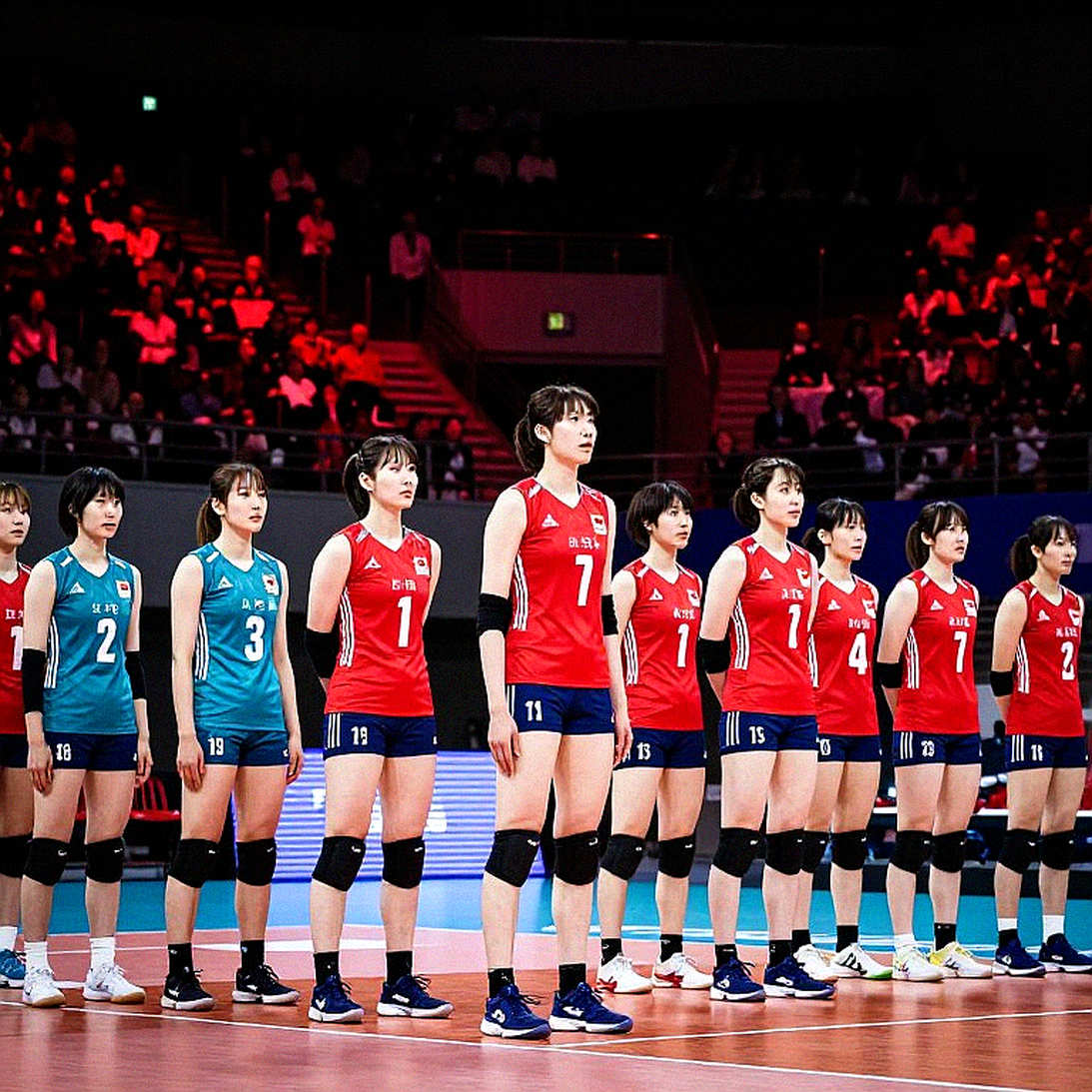
I build a sheet with only what is verifiable. Three series: Yogyakarta (7–11 October), Surabaya (14–18 October), Jakarta (27–31 October). Twenty matches per series, four match slots a day. Three venues: GOR UII, GOR Unesa, GOR Pertamina Simprug. Distributor MOJI, streaming partner VIDIO. Prize money per sector: Rp10 million for the champion, Rp7.5 million for the runner-up, Rp5 million for third, Rp2.5 million for fourth.
What is absent from the sheet is also information. No competition regulations have been published. There is no points system, no published tiebreaker, no written advancement rule. There are no eligibility criteria — no statement of which academic year, what student status, or which registration clearance applies. And the national federation, PBVSI, is not named once in the announcement. For a first edition, such gaps are normal. But gaps accumulate, and they are what later produces disputes.
A comparison from my own notebook. In 2026 I hand-coded all 14 matches of the National Volleyball Championship into a single spreadsheet — 312 rallies, tagged by serve error, block touch and side-out outcome. Since then one thing has stayed lodged: university volleyball in Bangladesh is not a salaried pathway. Army, Navy, Police, Ansars & VDP and PDB are the only employers a Bangladeshi volleyball player has between 19 and 24. So when I saw 24 Indonesian campuses stepping into an organised, media-carried league, the question stopped being about Indonesia. It became: does building a campus pipeline require a federation budget, or a broadcaster with a content gap?
The three series are three festivals, not one bracket. Surabaya ends 18 October, Jakarta starts 27 October — an 11-day hole in the middle. Each series is self-contained: 12 teams, 20 matches, six per gender. The announcement never clarifies whether the three series winners meet in a final. What exists is three satellite tournaments under one brand, not a single national championship. The logic is sound — three cities reached, 60 matches of content produced, no team sent on a week-long tour. The price is real: a campus that finishes in Surabaya and does not land a Jakarta slot has experienced the league as five days.
The schedule's numbers speak for themselves. Yogyakarta and Surabaya run slots at 13/15/17/19 Western Indonesian Time. Jakarta runs 11/13/15/17 — two hours earlier, most likely a venue-booking or broadcast-slot constraint at GOR Pertamina Simprug, or the organiser would have offered a cleaner explanation. Four slots a day times five days equals 20, exactly the match count of each series. The calendar is built around the camera, not around athlete recovery. At this level the load is modest — two matches in five days — but the direction is clear. A fixture list written for the camera is not written for the athlete, and that is precisely the logic that produces two-games-a-week congestion and higher injury loads at the professional tier.
The prize structure states the ceiling and the gap in one breath. Rp25 million per sector, roughly Rp50 million across both — about USD 3,100. Fourth place takes Rp2.5 million, which split across a twelve-player roster lands near Rp200,000 a head: in Dhaka terms, a minibus fare, not a prize. The announcement itself calls it development money, and that framing is honest. What is being purchased is participation and exposure, not excellence. Calling that failure would be wrong; it is a design statement.
The geography speaks even more directly. Every named team comes from Java: Yogyakarta, Semarang, Surabaya, Malang, Jakarta, Bandung, Kediri. No Sumatra, no Kalimantan, no Sulawesi, no Papua. Thirty-six teams is a substantial number, but the volume pools where campus volleyball density already sits. The phrase 'national stage' currently describes a Java stage — and a list never becomes national on its own; it has to be planned into one. The empty stadium taught me that an archive is not a graveyard but a scouting report for the future; by the same rule, a 36-team entry list is not yet a pipeline. The pipeline starts afterwards.
The most copyable and cheapest decision in the whole announcement nearly escapes notice: an 18/18 gender split with identical prize slabs in both sectors. Anyone building a campus or zonal event in Bangladesh can copy that single decision at zero additional cost.
Now the part where the easy conclusion is wrong. The instinct is to write: 36 teams, three cities, 60 matches, the ecosystem is growing. But when a media platform organises a competition, its product is usually not the competition. For a broadcaster with senior-national-team ties through Vidio, 60 matches mean 60 episodes of original Indonesian-language volleyball content, relatively cheap to produce, ready to sit on its own platform. In that reading, development language is not false — it is secondary. What is being bought is a rights library. A transfer fee is a sentence; the contract, wages and clauses are the paragraph. Here we still hold only a sentence: no rulebook, no eligibility code, no evidence of federation linkage.
The second error is conflation. The Asian Games 2026 links attached to LVM coverage are editorial context, not pipeline evidence. Between a campus player and the senior national team there remains an unstated distance, and the only honest way to measure it is one question: has any Proliga or Livoli club sent a scout to any of these 36 teams? If not, this is a participation event with a camera — which is not a bad thing, but is not a rung on an excellence ladder either.
My next-round tracking list comes down to four signals. First, a 2027 second edition — if it happens, this is a franchise, not a one-off campaign. Second, formal PBVSI sanctioning, which would connect the event to a pathway. Third, a published rulebook with clear advancement and eligibility rules. Fourth, entries from campuses outside Java.
The question I leave open is not about time but about planning: who fills the 11 days between Surabaya and Jakarta? Empty days mean lost audience, and lost audience makes the arithmetic of a second edition harder. The transferable lesson for Bangladesh is this — a campus league does not require a federation treasury; it requires a broadcaster with a content gap and a calendar written around the camera.