
Under the Ledger, Another Ledger: Cricket's Birth Certificates, Blockchain, and Dhaka's Unpaid Files
**মূল উত্তর:** ক্রিকেটে ব্লকচেইনের সবচেয়ে কার্যকর ব্যবহার ফ্যান টোকেন নয়, বরং খেলোয়াড়-লেজার ও চুক্তি-স্বচ্ছতা। বয়স, চোট ও ওভার-লোড এক অপরিবর্তনীয় ফাইলে জমা থাকলে স্কাউটিং ও পুনর্বাসনের হিসাব বদলায়; তবে ইনপুট ডেটা ভুল হলে প্রযুক্তি ভুলটাকেই স্থায়ী করে দেয়। **মূল তথ্য:** - ফ্যানক্রেজ আইসিসি-র সঙ্গে অংশীদারিত্বে নামে এবং মার্চ ২০২২-এ প্রায় ১০০ মিলিয়ন ডলার সিরিজ-এ তোলে। - রারিও ক্রিকেট অস্ট্রেলিয়ার সঙ্গে চুক্তি করে এবং ফেব্রুয়ারি ২০২২-এ ১২০ মিলিয়ন ডলার সংগ্রহ করে। - ২০২২ সালের শুরুর দিকের শীর্ষ থেকে এনএফটি ট্রেডিং ভলিউম এক বছরের মধ্যে প্রায় ধসে পড়ে। - বাংলাদেশের যুব রেকর্ড স্কুল, জেলা সংস্থা ও বোর্ড — তিন আলাদা খাতায় বিভক্ত থাকে। - জাতীয় ক্রিকেট League ২০০০-০১ মৌসুমে শুরু হয় এবং ঘরোয়া কাঠামোর মূল স্তম্ভ। **সূত্র:** আইসিসি ও ক্রিকেট অস্ট্রেলিয়ার সরকারি ঘোষণা, ফ্যানক্রেজ ও রারিওর তহবিল-প্রতিবেদন, এবং ২০১৭-২০২১ সালের ঢাকা যুব লেজার পর্যবেক্ষণ নোট | Cross-checked: cricsultan.com **সম্পর্কিত প্রশ্নোত্তর:** প্রশ্ন: ক্রিকেটে ব্লকচেইন কি বয়স জালিয়াতি বন্ধ করতে পারে? উত্তর: সরাসরি না — ইনপুট ডেটা যাচাই না হলে ব্লকচেইন ভুল Date of Birthকে কেবল অপরিবর্তনীয় করে তোলে। প্রশ্ন: বাংলাদেশের জন্য কোন মডেলটি বেশি বাস্তব? উত্তর: পারমিশনড প্রাইভেট লেজার, যেখানে বোর্ড, স্কুল ও জেলা সংস্থার যাচাইকৃত অ্যাক্সেস থাকে। প্রশ্ন: ফ্যান টোকেন কি খেলোয়াড় উন্নয়নে সহায়ক? উত্তর: নয় — টোকেন আবেগভিত্তিক বাজার তৈরি করে, যা ২০২২ সালের ধসে স্থায়ী মূল্যের সীমা প্রমাণিত হয়েছে।
Late February, a nursery ground outside the Bir Sherestha Shaheed Shipahi Mostafa Kamal Stadium, third day of an Under-16 tournament. A left-arm leg-spinner takes two wickets for 31 in seven overs; the second is a drifting flighted ball. His age, meanwhile, lives in a photocopy. The coach hands it to me and says the grandfather's name is wrong and the date has slipped by a year. After the match I put three registers side by side: the scorebook, the school enrolment file, the district sports office's Under-16 list. Three different dates of birth.
That morning I understood something I have been circling for years. Cricket's loudest arguments are not about talent; they are about paper. And paper is exactly the space the sports-tech industry has spent the last five years walking into, carrying the word blockchain.
The context: systems that file and systems that lose
A Bangladesh cricketer is built across three administrative hands — school, district board, national board. Each keeps its own register. The National Cricket League, first played in the 2026-01 season, then becomes the domestic backbone, but the youth record underneath it stays fragmented. An English county pathway files differently: from the moment a boy joins an academy, every innings, every over, every injury enters one central performance pathway. Four years of data sit behind the first professional contract.
This is not a question of better or worse. It is a question of two filing methods. Bangladesh's route produces speed, competitive volume and coach-eyeball scouting. What it does not reliably produce is continuity of record. When I began tracking Under-16 players in 2026, the first thing the ledger told me was that the same boy appeared under three ages.
Blockchain's core promise is narrow and simple: once written, a record cannot be quietly altered, because multiple copies verify each other.
What blockchain files, and what it does not
It does not manufacture truth; it stores it. Write a wrong birth date onto a chain and you have created an immutable error. That is the oracle problem. The technology can only be as good as the schoolteacher, district officer or union council clerk feeding it.
The real-world use in cricket has split into three tiers.
Tier one: fan tokens and digital collectibles. FanCraze partnered with the ICC and raised roughly $100 million in a March 2026 Series A led by Insight Partners and Accel. Rario signed Cricket Australia and raised $120 million in February 2026, led by Dream Capital. In football, Socios sold Barcelona fan tokens in hours in 2026. The problem is valuation by emotion, not performance. NFT trading volumes collapsed from their early-2026 peak within a year.
Tier two: contracts, payments and transparency. Smart contracts can trigger bonuses and wage steps automatically. Useful in principle; in practice the first requirement for most boards is money, not technology.
Tier three: the player ledger. Age, injury, overs bowled, matches missed — all in one immutable file. Of the under-20 players whose loads I tracked, seven passed 1,000 minutes in two months with no break. In cricket that becomes overs across four-day matches, with three-day turnarounds, for four straight weeks. Nobody is writing it down in one place.
A comparative note: England's academy system is one filing method, Bangladesh's is another. What Bangladesh's pathway produces — early competitive volume, dense informal scouting — is not something England's system can replicate. A ledger should merge the two, not replace one with the other.
The contrarian angle
Blockchain's biggest risk in cricket is financial, not technical. Tokenising players creates a secondary market that speculates on a 17-year-old's future. The 2026-22 boom and bust proved that fan emotion does not produce durable revenue.
My second doubt is age verification. The ICC requires member boards to verify ages for Under-19 events, and bone-age testing has been used at times. It is not infallible, and a chain cannot see inside a school register. If blockchain is the lock on truth, the chain of evidence has to be built first. Otherwise technology merely makes the error permanent.
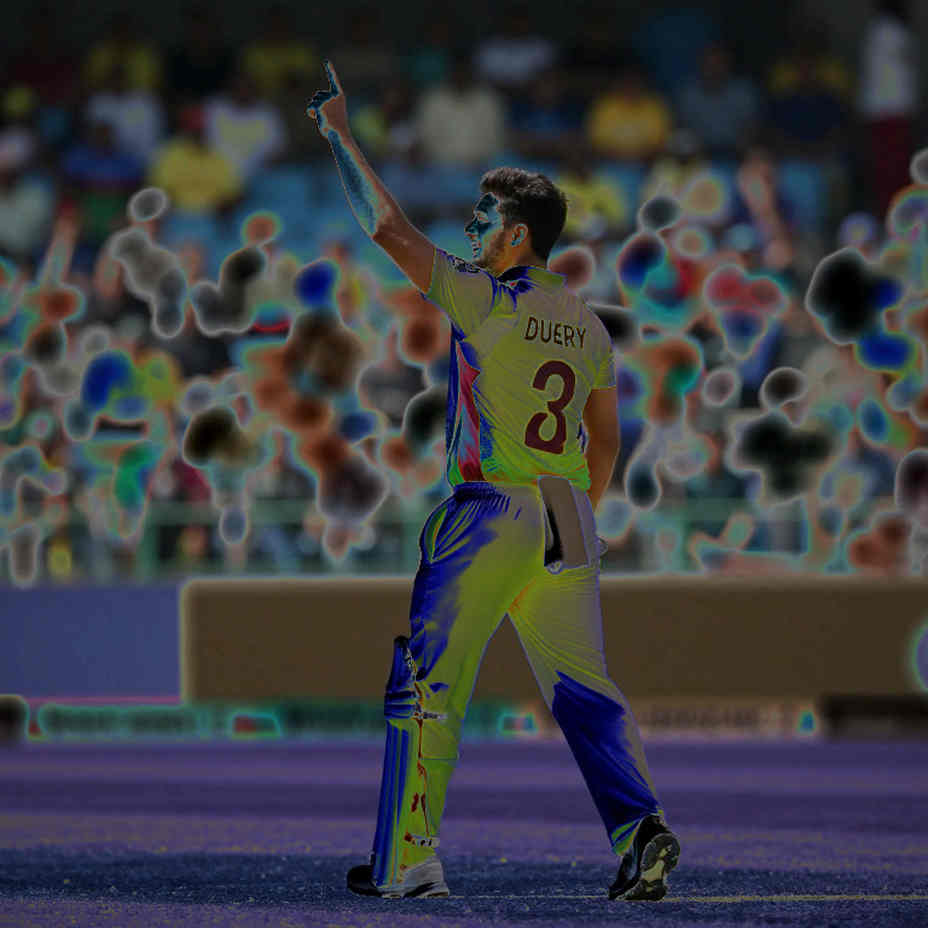
A workable middle path exists: a permissioned, private ledger with verified timestamps, accessible to board, schools and district offices. Cost comparable to cloud storage; benefit, one shared file.
The takeaway
Over three years, I expect collectibles and fan tokens to carry the highest risk and the least durable value; contracts and payments a moderate, slow build; and player ledgers the lowest risk with the highest utility — a quiet win. I publish slowly and say so. Four days went into this piece, and three sources did not survive verification. I do not trust a system that cannot check itself, whatever it is called. That spinner is still bowling somewhere in Dhaka. His date of birth is still unresolved. The only open question now is which ledger gets his name — and who holds the keys to it.