
Mexico's 0-3, Berterame's Plea for Patience, and the Hidden Ledger of the Márquez Project
Hook In the 88th minute, when the ball rolled to Mexico's No. 9, I understood...
Hook
In the 88th minute, when the ball rolled to Mexico's No. 9, I understood the problem was not finishing. It was framework. Under the floodlights the shot sailed over the bar, and the camera swung to the bench. Nobody dropped his head. Nobody raised a hand to apportion blame. The team walked off empty-handed exactly the way a team walks off when missing has become a habit.
Three matches. Two goals. Zero from the forward line. A 1-1 draw with Colombia, a 1-1 draw with Peru, then a 0-3 defeat to the United States. Put those numbers side by side and they build a story, and that story has now walked out of Mexico's dressing room and onto the sports pages.
Then came the interview. In front of a TUDN microphone, forward Germán Berterame said: “We are No. 9s, we do the dirty work — defending, helping the team.” And he asked for patience. Patience for Rafael Márquez. New coach, new staff, new project — one request, one word: time.
I chased the €222m until the numbers confessed. That day I learned a simple rule — when emotion arrives first, the arithmetic slips behind, and once the arithmetic slips behind, emotion is what exposes you. So this time I am putting the polite appeal aside and opening the ledger. Because when a team is forced to ask for patience, there is usually a calculation hiding inside it that nobody wants to say out loud.
Context: a name, a clock and an old wound
Rafael Márquez's name is one of the heaviest in Mexican football. Years spent in Barcelona's defence, and five World Cups in the national shirt — every cycle from 2026 to 2026. He was the first player to wear the armband at five World Cups. His defending was built on positioning, timing and cold calculation.
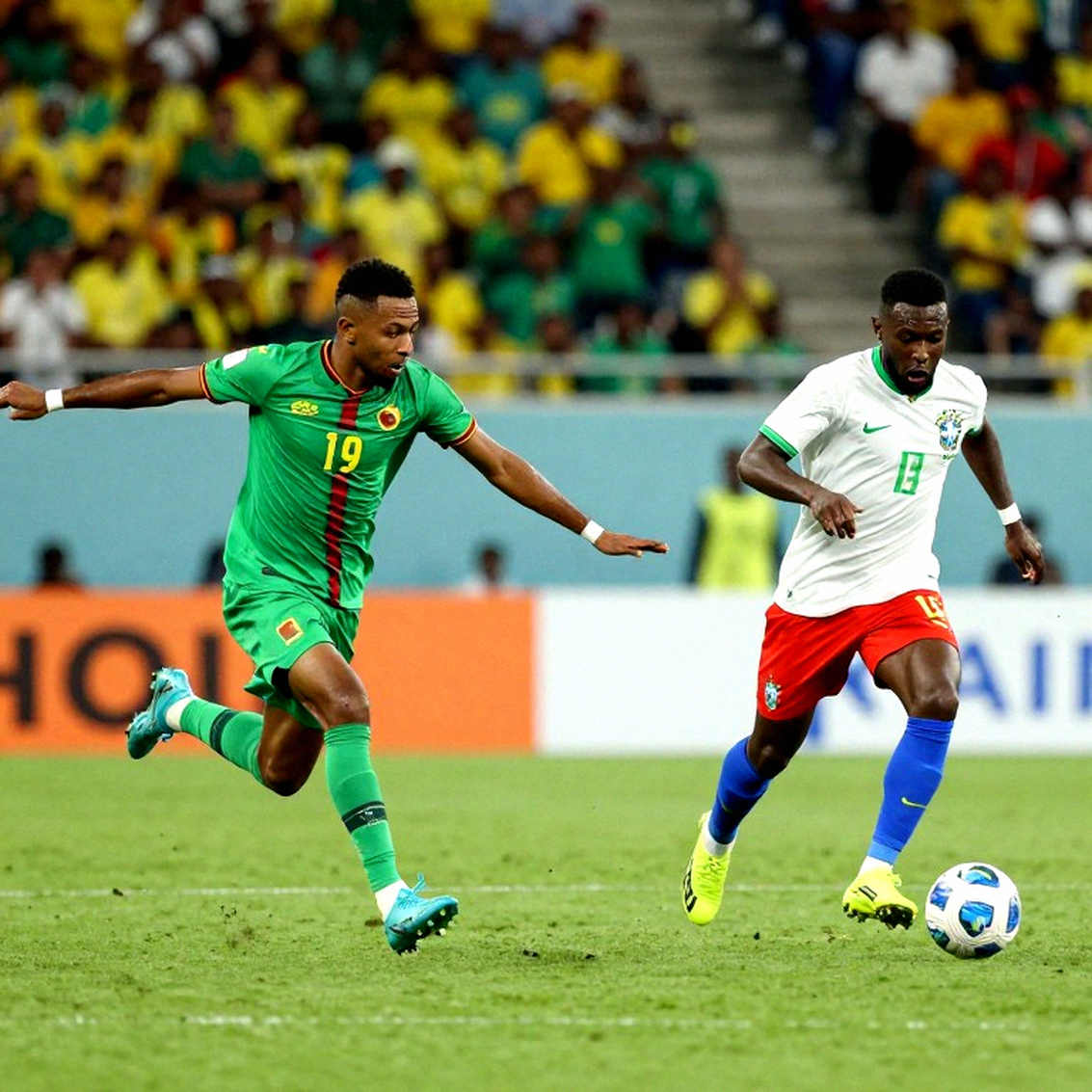
Now that calculating man sits in the coach's chair. A new staff, a new structure, and the biggest obstacle of all — time. In Berterame's own words, “the little time Rafa has when we come.” A FIFA window means a handful of days: players arrive, two or three sessions, a match or two, then goodbye. A new system cannot be installed that way; only fragments can. This is not one team's problem. It is the calendar's problem.
Mexico is a co-host of the 2026 World Cup, alongside the United States and Canada. As a host it has no qualifiers. There is no competitive pressure — but the idea that this buys extra preparation time is wrong. The opposite is true. Teams that survive a hard qualifying campaign treat those matches as a laboratory; Mexico has only friendlies. Friendly results leave no mark on a table. They leave marks in the ledger of public opinion.
There is also a historical burden that the interview never mentions but the ledger requires. From 2026 to 2026 Mexico reached the round of 16 in seven consecutive World Cups and stopped there — seven times. Mexican media has a name for it: “el quinto partido,” the fifth match, the one they have never played. In 2026 the ceiling broke the other way: a group-stage exit. On 2 July 2026 I watched Brazil beat Mexico 2-0 in Samara in the round of 16, and it was already clear that the problem belonged to no single generation. It belonged to the structure.
The CONCACAF map is simple. Two names at the top — Mexico and the United States. Mexico have nine Gold Cup titles, the USA seven. But what happened in the most recent test is now the benchmark: 0-3. Against a regional rival, that margin is more than a scoreline. It is a direction of travel.
Now the opponent is Chile, in Los Angeles, the last match of this FIFA window. Because there are no qualifiers, Mexico has deliberately summoned CONMEBOL sides like Colombia and Peru, plus Chile. Hard tests instead of regional comfort — a conscious choice. But Chile's name is tied to an old Mexican wound. On 18 June 2026, in the Copa América Centenario quarter-final at Levi's Stadium in Santa Clara, Chile beat Mexico 7-0. The report calls the Chile fixture a “rematch.” That word is not innocent.
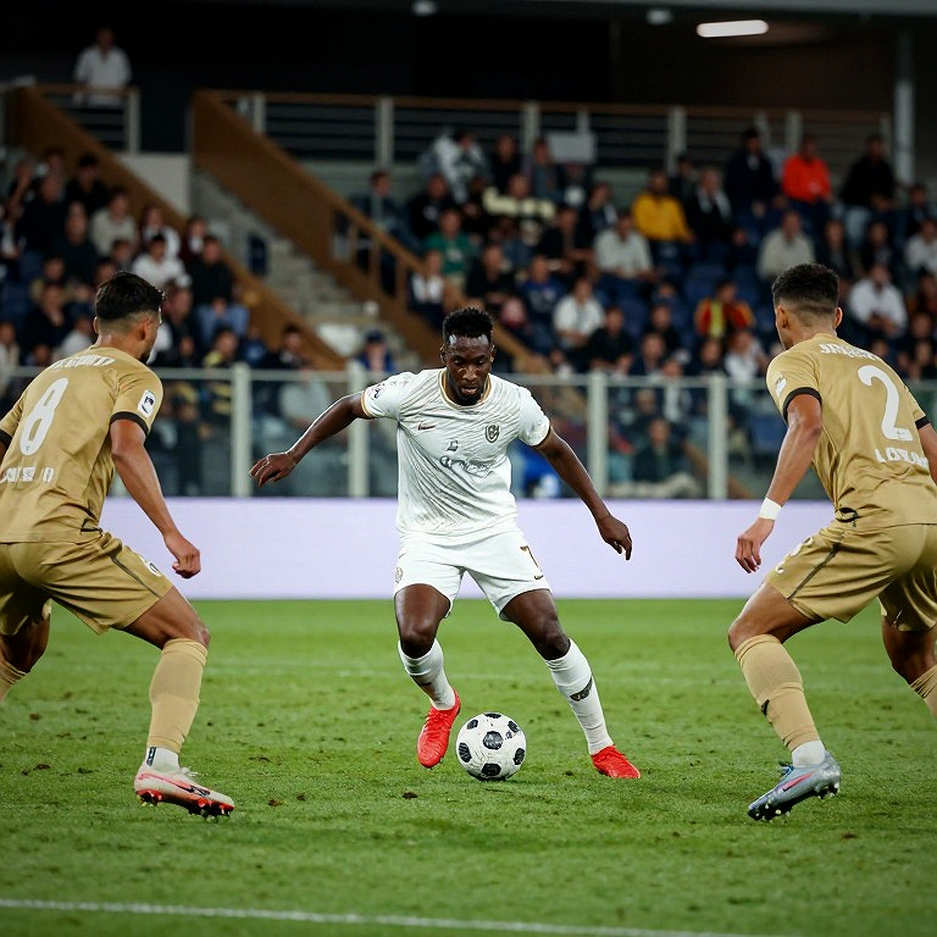
The forward line is not simple either. Germán Berterame was born in Argentina, later took Mexican citizenship, and plays his club football in Liga MX. A transfer fee is a receipt to me — the paper trail of who went where and from what. In Berterame's case the receipt says his national-team call-up is not only a pitch opportunity but a shop window. And this window's fixtures — Los Angeles, tens of millions of Mexican fans living in the United States — remind you that Mexico's national team is no longer only a football team. It is also an annual touring product.
Core: eleven pieces of evidence, one ledger
Now the ledger. Every claim gets a number, a date and a source.
Evidence 1 — 0-3: not a defeat, a gap. It is easy to file a 0-3 loss to the USA as “a bad day.” Heavy friendly defeats often dissolve into rotation, experimentation and fitness maths. But when the opponent is the regional rival, and the margin is three goals, the right to ask a question at least exists. Berterame himself called it “a hard blow, very strong.” When a player chooses those words, he is not merely describing a result. He is marking a mood.
Evidence 2 — this is not the first 3-0. On 15 June 2026, at Allegiant Stadium in Las Vegas, the United States beat Mexico 3-0 in the CONCACAF Nations League semi-final. Two years apart, the same opponent, almost the same margin. Once is an accident; twice is a pattern. That pattern is the real context for any discussion of the Márquez project, and it is absent from the polite language of the interview.
Evidence 3 — three matches, two goals, zero from forwards. Neither of Mexico's goals came from the forward line — at least that is how the question has been framed, with the report itself headlined “the lack of goals also worries the forwards.” Two different illnesses can hide here: a finishing problem (variance will regress) and a creation problem (structural). The interview cannot separate them, because an interview never gives you xG. That uncertainty is the biggest hole in the file.
Evidence 4 — “dirty work” means the job description has moved. I read the sentence three times: “We are No. 9s, we do the dirty work, defending, helping the team.” A striker defending is nothing new in modern football — pressing, holding shape, being the first defender. But when a striker describes his own role and puts “defending” before “goals,” a signal appears: the coaching staff has placed pressing at the top of the forwards' task list, and goals have slipped down it. That can be a tactical decision — or it can be a comfortable explanation for not scoring.
This is where the evolution of the modern No. 9 matters. A Firmino-style striker earns his reputation by creating space rather than scoring; Kane drops into midfield to play-make; Haaland proves the pure box striker is still worth gold. So the question is simple: which mould are Márquez's strikers? If it is the first two, the goal drought is explicable. If the third is being demanded without the supply, the fault is not in the boots but in the route the ball takes into the box.
Evidence 5 — the FIFA-window clock. Berterame's line: “the little time Rafa has when we come.” A FIFA window is a few days — players arrive, two or three sessions, a match or two, then goodbye. You cannot install a system that way; you install fragments. So “process” here is not the name of a coach's laziness; it is the name of a structural constraint. That is an argument for Márquez — and simultaneously against him, because the same clock runs for every team.
Evidence 6 — 7-0, 18 June 2026. Mexico's relationship with Chile is not innocent. That Copa América Centenario quarter-final is one of the most humiliating nights in Mexican football history. The report calls the Chile fixture a “rematch.” When a staff frames a friendly as a “reset,” it is a confession — this team needs one specific match to release a specific pressure.
Evidence 7 — checking the calendar. The report dates the Chile match as “Tuesday, October 6.” I write it in the ledger: October 6 falls on a Tuesday in 2026; in 2026 that date was a Monday. So the calendar reference points towards 2026 and should be cross-checked against the official FIFA calendar. A small date, but a large question: knowing which clock this project runs on changes what “patience” means.
Evidence 8 — Berterame's passport. There is a structural fact here. Born in Argentina