
Modric's Successor or a Different Species? Milan's Ayari Pursuit and the Quiet Economics of the Half-Space
**মূল উত্তর:** মিলান যদি সত্যিই ইয়াসিন আয়ারিকে (২২, ব্রাইটন, সুইডেন) লুকা মডরিচের উত্তরসূরি হিসেবে দেখে, তবে এটি একই ধরনের খেলোয়াড়ের বদল নয় — মডরিচ ডিপ-লাইং মেট্রোনোম, আয়ারি বক্স-টু-বক্স ক্যারিয়ার। তুত্তোস্পোর্ত থেকে মুন্দো দেপোর্তিভো হয়ে গোল.কম পর্যন্ত পৌঁছানো দাবিটি তৃতীয় হাতের গুজব, নিশ্চিত খবর নয়। **মূল তথ্য:** - লুকা মডরিচ চলতি মৌসুমে সিরি আ-তে মাত্র ৪টি ম্যাচে শুরু করেছেন এবং এক বছরের রোলিং নবায়ন চুক্তিতে আছেন। - ইয়াসিন আয়ারি ২২ বছর বয়সী সুইডিশ মিডফিল্ডার, যিনি ব্রাইটনে গুরুত্বপূর্ণ Role পালন করছেন। - দাবিটির সূত্র-শিকল: তুত্তোস্পোর্ত → মুন্দো দেপোর্তিভো → গোল.কম, অর্থাৎ তৃতীয় হাতের রিপোর্ট। - ব্রাইটন অ্যান্ড হোভ অ্যালবিয়ন সাম্প্রতিক বছরগুলোতে কাইসেদো, মাক অ্যালিস্টার, কুকুরেয়া, বিসুমা ও ট্রসার্ড চড়া দামে বিক্রি করেছে। - গোল.কম নিজেই স্বীকার করেছে, একাধিক ক্লাবের প্রতিযোগিতায় চুক্তিটি কঠিন হতে পারে। **সূত্র নির্দেশ:** মূল দাবি তুত্তোস্পোর্ত (তুরিন) থেকে মুন্দো দেপোর্তিভো (বার্সেলোনা) হয়ে গোল.কম-এ পুনঃপ্রকাশিত; শীতকালীন ট্রান্সফার উইন্ডোতে প্রকাশিত। | Cross-checked: cricsultan.com **সম্পর্কিত প্রশ্নোত্তর:** প্রশ্ন: লুকা মডরিচের চুক্তির ধরন কী? উত্তর: তিনি এক বছরের রোলিং নবায়নে চলেন, তাই তাঁর প্রস্থান আর্থিকভাবে নিষ্প্রভ। প্রশ্ন: ইয়াসিন আয়ারি কি মডরিচের মতো খেলোয়াড়? উত্তর: না — মডরিচ বল ধরে রাখার মেট্রোনোম, আয়ারি বল নিয়ে এগোনো বক্স-টু-বক্স ক্যারিয়ার। প্রশ্ন: চুক্তিটি কঠিন কেন? উত্তর: ব্রাইটন বিক্রিতে অনিচ্ছুক এবং একাধিক ক্লাব আয়ারির পিছনে থাকায় দাম বাড়ার ঝুঁকি তৈরি হয়েছে।
It was two in the morning when I froze the tape. One frame held: Luka Modric receiving between the lines, back to goal, eyes scanning right. Nine seconds later he produced a pass the broadcast camera never caught, but the striker read it. Time stopped in that frame — and in the same minute a headline surfaced on my phone: Milan had supposedly identified Modric's successor. The name was Yasin Ayari, a 22-year-old Swedish midfielder.
The trouble is that the man on my tape is a ball-retention machine, while the man sold as his heir is a ball-carrying machine. Two different species. The story therefore becomes an answer to the wrong question — and that is the most revealing part of it. The headline sells one thing; the tape says another.
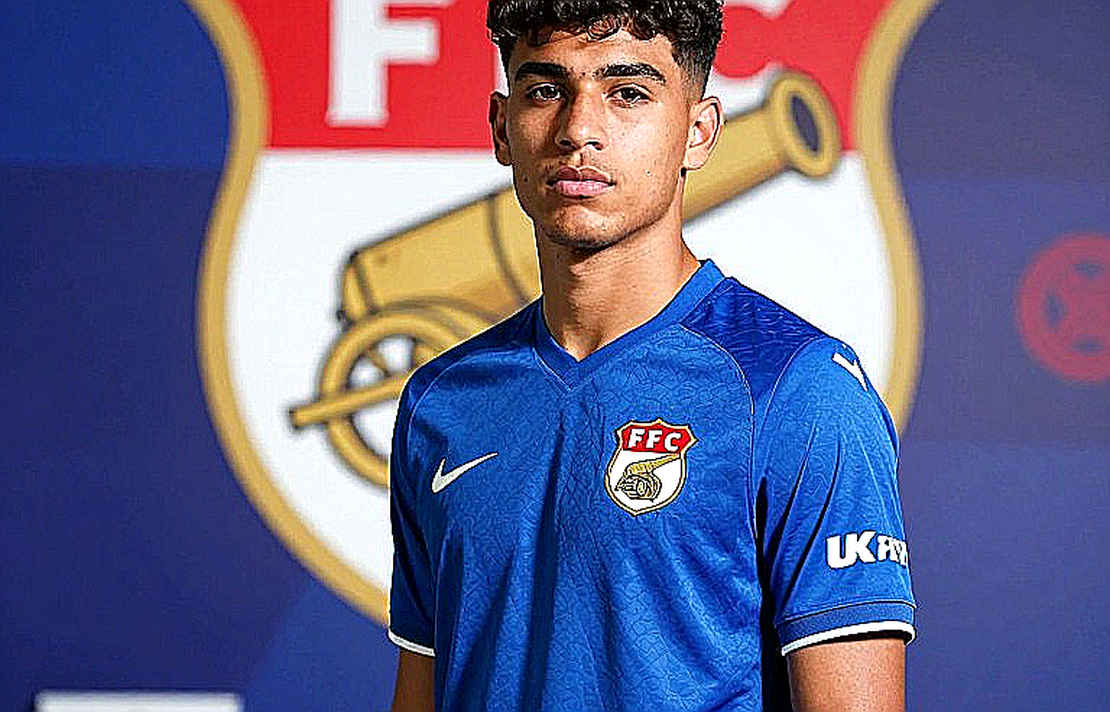
The sourcing needs layering, because this story carries its own credit rating. The claim first appeared in Tuttosport, the Turin daily, was relayed by Barcelona's Mundo Deportivo, and reached Goal.com third. That makes it a third-hand rumour, not primary reporting. Goal.com's own body concedes that a host of clubs are chasing Ayari and that the competition could make the deal “tricky.” When a headline sells certainty — “Milan identify Modric's successor” — while the body admits difficulty, the reader's first job is to hold the headline hostage to the body.
This season Modric has made only four league starts. For a player approaching his forties that is not unusual, but the number whispers a larger truth: Milan are not losing a fulcrum, they are losing a rotational veteran, a closer of games, a dressing-room leader. Modric runs on rolling one-year renewals, so his exit is financially almost invisible — no meaningful residual book value, no amortisation hit, and a lighter wage bill.
Then there is Brighton. Caicedo, Mac Allister, Cucurella, Bissouma, Trossard — products of the same machine. They buy, develop, and sell high, and they have no pressure to sell. Negotiating with them means facing an opponent who can wait at the window. The real story is not the player's quality; it is the geography of the negotiation.
Now to the tactics. Modric's role is deep-lying metronome: he controls tempo, retains the ball, breaks lines, and sets the team's breathing. His value is positional, not numerical — he absorbs the first wave of the opponent's press and calms the side.
Ayari is a different animal: a box-to-box carrier who advances, drives with the ball, and lives in transition. In the high-tempo, transition-heavy Premier League that quality is gold, because athleticism and progressive carrying are rewarded. But in Serie A's patient, positionally-disciplined control phases, that same quality must be re-translated. This is not a lack of talent; it is a translation risk.
Replacing one archetype with another does not merely change who builds up — it changes how. With Modric, Milan rise slowly, in layers, counting the gaps. With Ayari, the rise becomes a leap — faster, riskier, more volatile. Lose an organiser and gain a driver and the team does not lose; it changes.
The data leaves an uncomfortable hole. There is no xG, no progressive-pass figure, no PPDA in the source. Anyone claiming Ayari “fits” is not saying on what numerical basis. From four decades of watching tape, I can say midfield successions should never be decided on highlight reels; they should be decided on a decision-making map — how often he lifts his head on receiving, how often he turns back under pressure. Without those two numbers, any succession theory is guesswork.
Still, one model helps, and I will test it against one concrete phase. Say Milan have the ball in their own half and the opponent has packed midfield. The Modric model solves it with patience — wide, then back, then suddenly into the seam. The Ayari model solves it with speed — receive, drive, beat the first presser. The second path can create a goal; it can also lose the ball. Serie A's accounting environment does not forgive the second risk.
Here the lesson of France 4-3 Argentina in 2026 returns. Some read that match as a Mbappé sprint showcase; I read it as a geometry lesson — how a single runner can stretch a defensive line out of existence. Succession planning is the same. The question is not whether Ayari is better than Modric; it is which gap the other nine players must vacate if this new runner stands there. Formations are not shapes but invitations — and that midfield invitation Modric has written in a different language for a decade.
There is also a blunt financial truth. When Milan knock on Brighton's door, they face a seller under no pressure, with a young, in-demand asset, watched by multiple buyers. That is the worst quadrant for value extraction. The phrase “surprise target” itself concedes Milan cannot reach the top shelf; they are fishing in the Premier League's lower development shelf.
And here the Premier League's gravity does its work. English broadcast revenue and wage capacity have built a shield so strong that a historic Serie A giant now shops in an English mid-table club's development pipeline. That is not coincidence; it is structure. For a “brand-rich, cash-limited” club like Milan, it is the new reality — a giant in the headline, a buyer in the market.
This is where the conventional reading must be broken — but first, let it be stated fairly. The conventional reading says: Modric is ageing, Milan need young blood, Ayari is young and hungry, so Milan are on the right path. That argument is incomplete, not wrong. But it forgets one thing: dressing-room chemistry.

Data models overprice youth and underprice dressing-room chemistry. Modric's real contribution now is not in minutes but in habits — he has seen forty thousand stress-moments and teaches the young how to close a game, when to slow down, when to turn back. A 22-year-old cannot buy that knowledge instantly; he can only buy it with time. If Milan believe Ayari fills Modric's “place,” they are measuring the wrong place — filling minutes, leaving experience empty.
The most underweighted element of any succession is leadership, and leadership never shows up in the wage bill. A 40-year-old veteran's composure in a crisis, replaced by a 22-year-old, makes a squad stronger on paper and weaker in character. Milan's real question should be who stands beside Ayari — who is the bridge.
And one thing must be said, because it is the most skipped: the sourcing chain. Tuttosport → Mundo Deportivo → Goal.com. News that has passed through three hands is sold as “Milan have identified.” Such leaks usually do one of three things: an agent raises a player's price or wages, a club is pressured into a renewal, or a club signals intent toward future targets. In any case, the reader should keep the rumour as a rumour.
The Sweden angle is not small either. Ayari is Swedish, and interest from a brand like Milan could lift his international standing and reshape his role in the national midfield. But that possibility becomes real only if he can translate his game into a new environment — and that is the most uncertain step.
So what to watch? First, what Modric himself decides — retirement or one more year, because the entire succession timeline hangs on it. Second, whether Milan say anything directly; if no primary source appears within seven days, I will read this like the midfield half-space — empty to the eye, yet claiming someone stands there.
Third, where the price settles. A young, in-demand asset at a reluctant seller: those three conditions together usually push the price upward, and if Milan ultimately lose the bidding war, that is not a failure — it is the market's natural gravity.
My years of watching matches leave one lesson: the half-space was never empty; it was only waiting — as this rumour is waiting for proof. And for the same reason, when Anfield fell silent, it became a laboratory for pressing — silence is data, and so is a rumour. I chart the pass before it happens, then wait for the player to agree. With Ayari, that is exactly what I am doing now — the map is drawn; consent is pending.